VA Renovation Loans
Finance Purchase and Repairs
The VA renovation loan lets you buy and renovate a home with defined upgrades/work in one mortgage with only one payment. Since the loan can be underwritten as completed value, meaning that it is appraised for the finished condition after the work is done, this can be a strong fit when the home is livable but does not meet the VA minimum property requirements.
What you need to know about the VA Renovation Loan!
Scroll though the info slides below
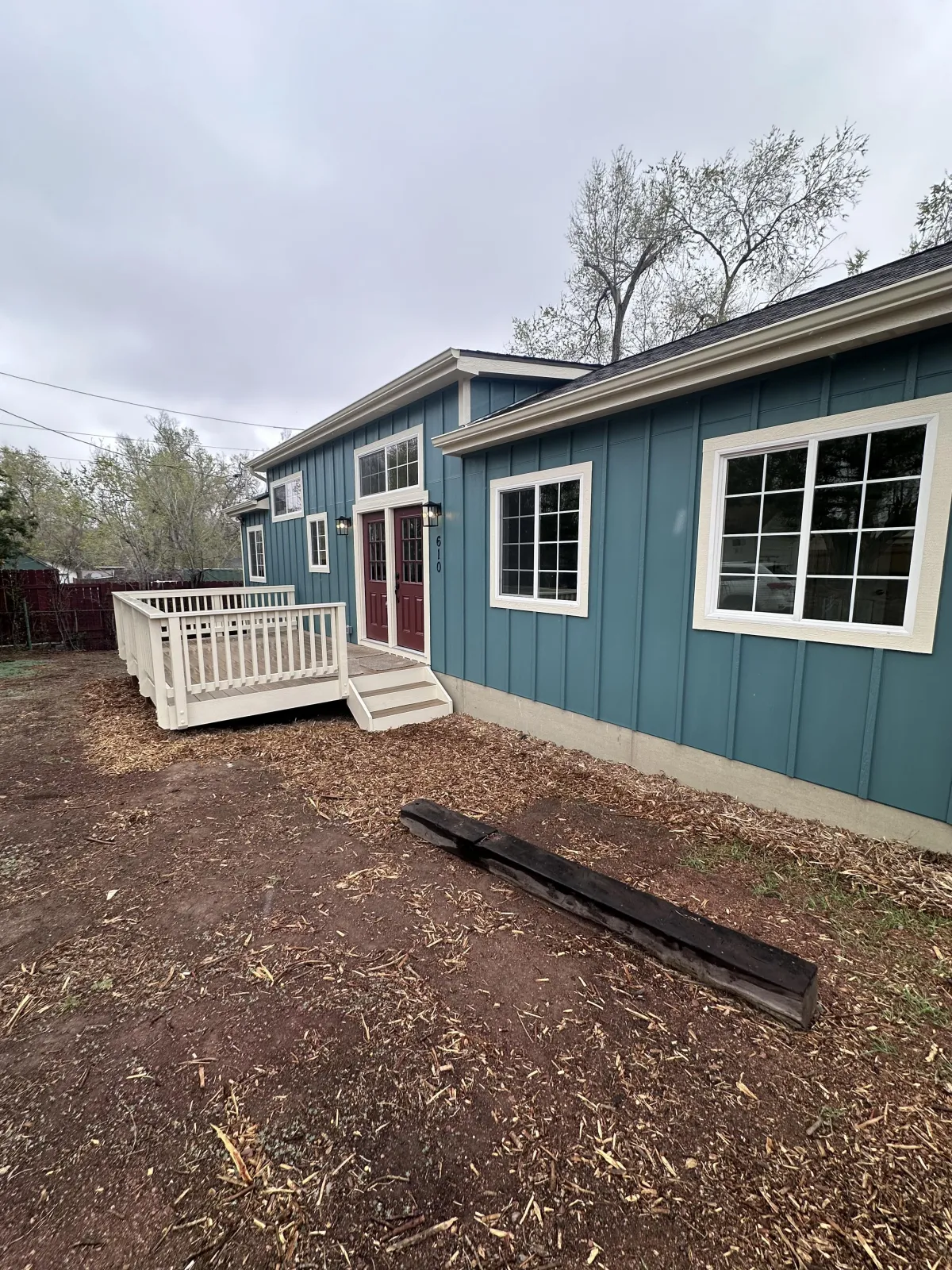
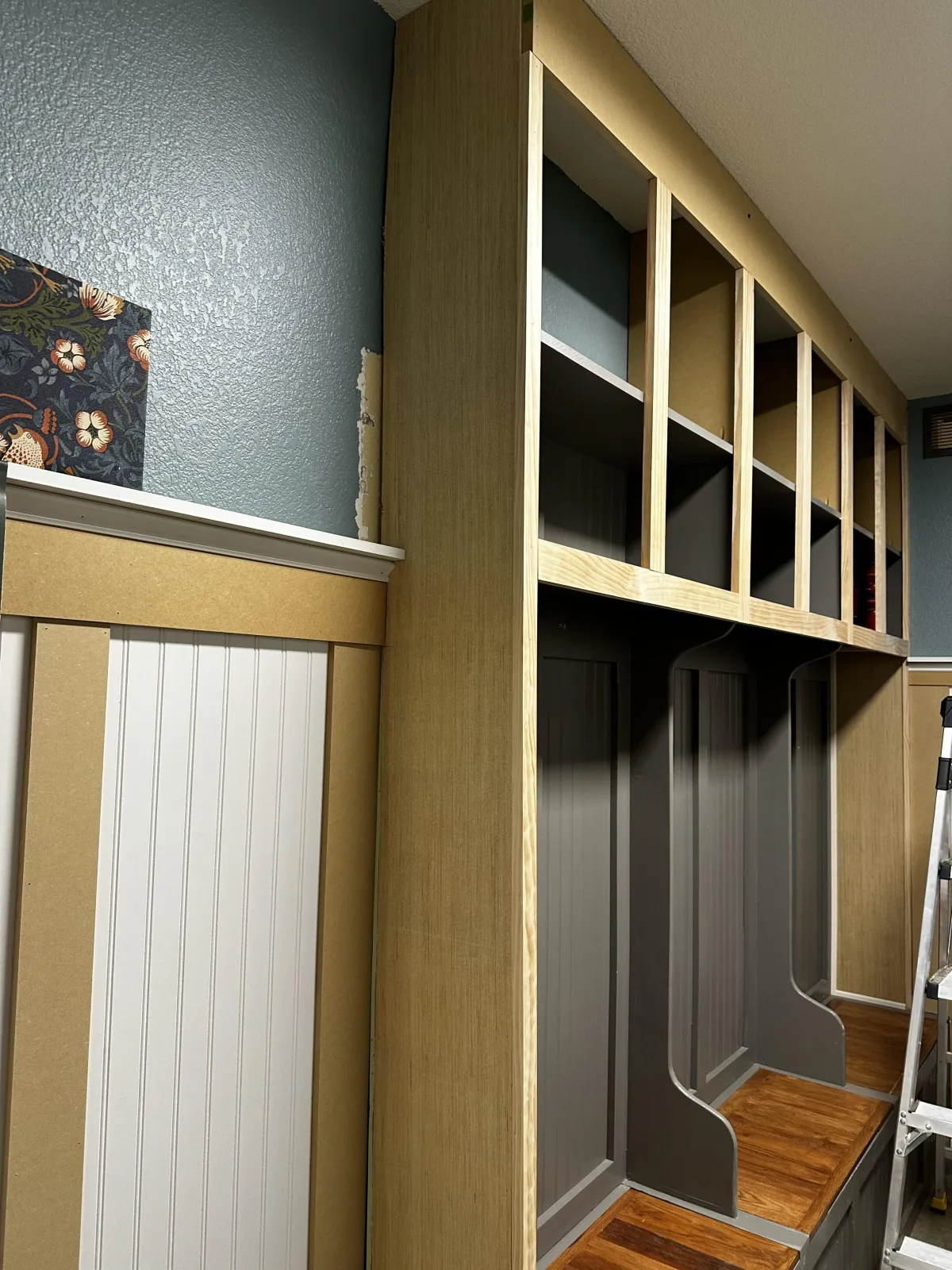
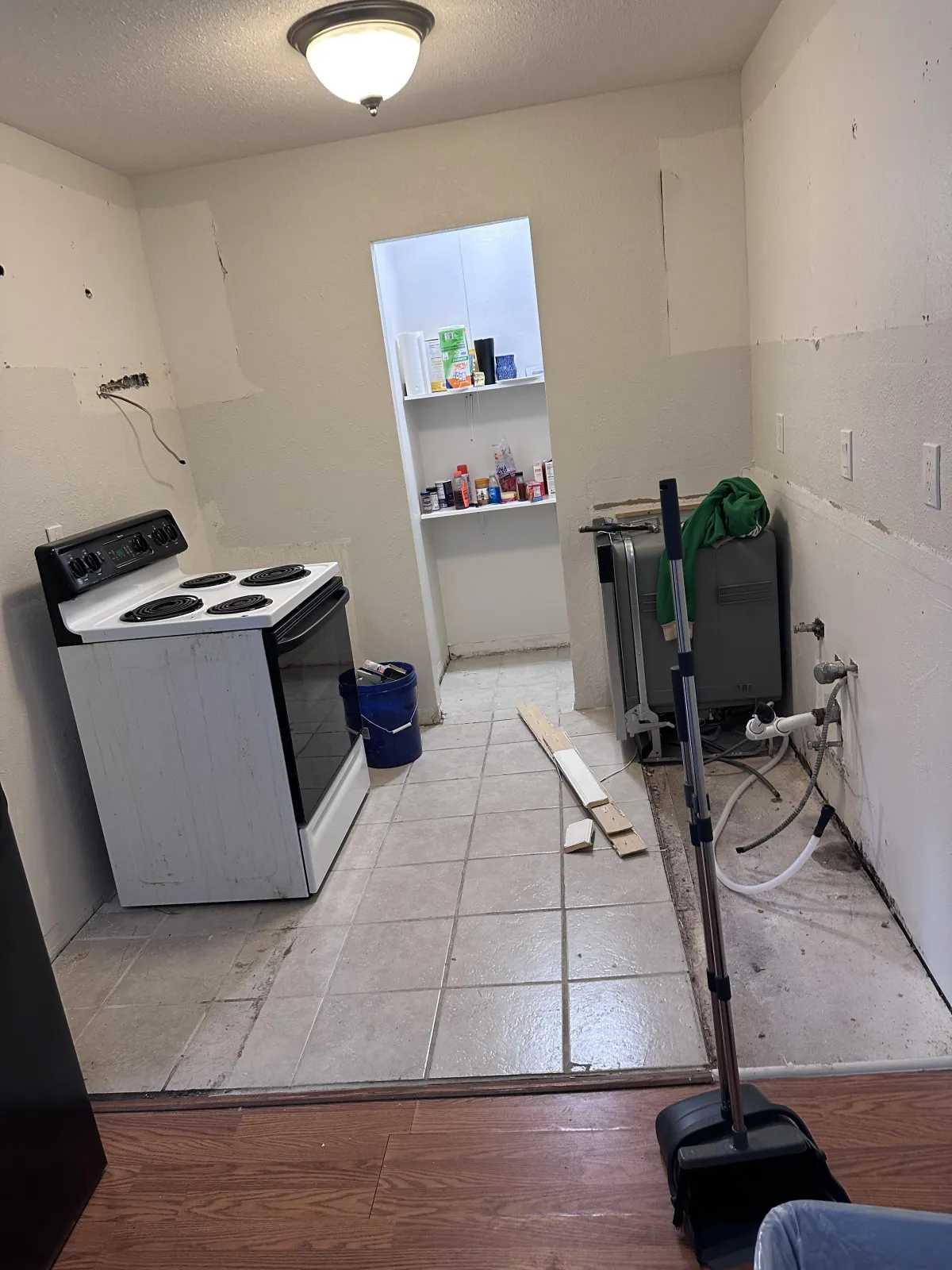
Vetted VA discusses VA Renovation Loans
Vetted VA is a service organization that helps vets with the home buying process. In this episode, my colleagues Jerry, Eric and Phil discuss some of the nuamces of the VA Renovation loan.
The VA Renovation loan is a powerful yet often misunderstood tool that allows Veterans to buy a home and finance necessary repairs or upgrades into a single mortgage. Whether you're looking to turn a 'fixer-upper' into your dream home or simply want to handle essential repairs like a new roof or updated windows immediately upon closing, this program offers a unique path to homeownership. In this deep-dive video by Vetted VA, industry experts break down everything from contractor requirements and interest rates to the 'after-repaired value' (ARV) and the reality of managing a renovation project.
VA Renovation Loan Guide
[00:00:11] – Introduction: What is a VA renovation loan and why is it a "little-known" topic?
[00:01:05] – Ideal Candidates: Who does this loan work best for, and who should avoid it?
[00:01:35] – Occupancy Rules: Understanding the 60-day occupancy requirement.
[00:02:45] – Contractor Requirements: Why a General Contractor (GC) is mandatory and the rules against DIY.
[00:04:57] – Market Advantages: How to use the loan to buy "ugly duckling" homes at a discount.
[00:06:12] – A Real-Life Example: Eric Browning shares his personal experience using a VA renovation loan.
[00:10:03] – Loan Qualification: How the process differs from a standard VA purchase.
[00:14:26] – Finding the Right Contractor: Tips for vetting GCs who are willing to do the extra paperwork.
[00:20:52] – Understanding ARV: How "After-Repaired Value" determines your loan amount and equity.
[00:22:44] – The Draw Process: How money is paid out to contractors after closing.
[00:25:28] – Cost & Interest Rates: Why renovation loans have slightly higher rates (approx. 0.375% – 0.5% more).
[00:27:52] – Contingency Reserves: Why a 3% to 7% buffer is built into your renovation budget.
[00:33:16] – Project Limits: Understanding what you can and cannot build (e.g., no luxury items like pools).
What exactly is a VA renovation loan, and how is it different from a regular VA loan?
A VA renovation loan — also called a VA rehab loan or VA alteration and repair loan — rolls the cost of home repairs into your VA mortgage so you're financing the purchase and the renovations in one single loan. A standard VA purchase loan only covers what the home is worth today. The renovation version uses the as-completed value — what the home will be worth after the work is done — which gives you significantly more purchasing power on a fixer-upper.
Can I buy a fixer-upper with a VA loan and no down payment?
Yes — and that's honestly one of the best-kept secrets in veteran home financing. With full entitlement, a VA fixer-upper loan requires zero down payment, even when renovation costs are included. No other major renovation loan program — not FHA 203(k), not conventional — gives you that. If you're a veteran or active-duty service member shopping in a market full of dated homes, this changes the math entirely.
How much can I borrow for renovations with a VA rehab loan?
The renovation portion of a VA home improvement loan is typically capped at $50,000 above the purchase price. The total loan amount is then based on the appraised as-completed value — meaning the VA appraiser looks at what the home will be worth after the work is finished. That cap makes this product ideal for moderate repairs rather than full-scale structural rehabs. Need a bigger renovation budget? That's when we'd talk about whether an FHA 203(k) or a VA cash-out refinance after stabilization makes more sense.
Do I have to pay mortgage insurance on a VA renovation loan?
No — and this is a big one. Just like a standard VA loan, a VA rehab loan carries no monthly private mortgage insurance (PMI). FHA 203(k) borrowers pay MIP for the life of the loan in many cases. That monthly savings can be substantial, especially on a higher loan amount that includes renovation costs. You will pay a one-time VA funding fee at closing, but no recurring MI — ever.
Can I use a VA renovation loan to refinance and fix up a home I already own?
Yes. A VA renovation loan isn't only for purchases — it can also be structured as a cash-out refinance to fund approved repairs on a home you already own. You'd need to have owned the property for at least one year, and it must still be your primary residence. This is a solid option for veterans sitting on equity in a home that needs meaningful updates but who don't want to take on a separate home improvement loan.
Do I have to use a specific contractor, or can I do the work myself?
Contractors must be licensed and insured — and DIY work doesn't qualify. Renovation funds are held in escrow and released in draws as work is completed and verified by a third party. It adds a layer of process, but it also protects you. A VA contractor has accountability built in, and the draw structure keeps the project on track. Before closing, you'll need to submit a detailed bid with an itemized scope of work and cost breakdown.
How does the VA renovation loan process differ from a standard VA purchase loan?
The core steps are the same — application, appraisal, underwriting, closing — but the VA renovation loan has a few extra moving parts. You'll need a contractor bid before the appraisal, since the VA appraiser is evaluating the as-completed value based on your planned scope of work. Renovation funds go into escrow at closing and are released in draws as milestones are hit. The process takes longer than a standard VA purchase loan, so plan for it. Working with a lender who actually knows VA rehab loans front to back is the single biggest factor in whether it closes clean.
Is it hard to find a lender who offers VA renovation loans in Colorado Springs?
Honestly — yes. Most large lenders and big-box mortgage companies don't offer VA rehab loans at all. It's a specialized product that requires real experience with the contractor approval process, draw schedules, and VA appraisal requirements. As a VA-focused mortgage broker on the Front Range, I work with this product directly and can guide you through every step — from confirming your Certificate of Eligibility to coordinating the final inspection. If you're a veteran in Colorado Springs, Denver, or anywhere along the Front Range looking at fixer-uppers, let's talk before you assume the home won't work with your VA benefit.
Resources and Reference
VA Renovation Project:
Contractor Requirements & Expectations
To ensure a smooth approval process for our Veteran clients, Peak Seven Mortgage follows the updated 2026 VA guidelines for renovation escrow. Please review the following to ensure your bid and credentials meet the necessary standards.
1. Contractor Credentials
Per the updated VA standards (Circular 26-25-1), a VA-issued Builder ID is no longer required. Instead, the lender is responsible for vetting the builder.
You must provide:
Active License & Insurance: Valid general contractor’s license and proof of General Liability and Workers' Comp insurance.
Experience Documentation: Proof of at least 3 years in business or a portfolio showing similar completed renovation projects.
Background Check: No prior debarment from federal programs or significant unresolved consumer complaints.
2. The Bid Package (Scope of Work)
The VA appraiser uses your bid to determine the "As-Completed" value of the home. Therefore, your bid must be a Fixed-Price Contract (not an estimate) and include:
Itemized Costs: Break down labor and materials for each major phase (e.g., Roofing: $X, HVAC: $Y).
Brand/Grade Specifications: Include specific details (e.g., "30-year architectural shingles" or "Carrier 15-SEER HVAC unit").
Permit Fees: All necessary local permits must be included in the total bid price.
3. Ineligible Work Types
VA Renovation loans are intended to improve the Safety, Sanitation, and Structural Integrity of the home.
Allowed: Roofs, HVAC, electrical, plumbing, lead-paint remediation, windows, flooring, and kitchens/baths.
Prohibited: Luxury items (pools, outdoor kitchens, hot tubs), detached structures (fences, detached garages), and major structural reconfiguration (moving load-bearing walls).
4. Funding & Disbursement (The Draw Process)
No Upfront Deposits: VA rules typically prohibit "front-loading" the loan. Material draws may be available upon delivery, but labor is paid in arrears.
Staged Inspections: Funds are held in a managed escrow account. Payments are released in "Draws" (usually 2–4) only after a third-party inspector verifies the work for that stage is 100% complete.
10-15% Contingency: A mandatory reserve is built into the loan to cover unforeseen "hidden" repairs. This ensures you get paid for change orders caused by unexpected structural issues.
Completion Timeline: All work must be completed within 120 days of the loan closing.
5. Why Work with VA Renovation?
While the documentation is specific, these projects offer contractors:
Guaranteed Funds: The money is fully funded and set aside in escrow before you ever swing a hammer.
Timely Payments: Draws are processed quickly once the inspection is signed off.
Vetted Clients: You are working with Veterans who have been fully pre-approved for the total project cost.
Ready for the Next Step? Let's talk, call or book here.

NMLS # 1084279
102 S Tejon Street, # 1100
Colorado Springs, Colorado, 80903
Call: 719-304-4900
Mon-Fri: 8am-7pm
Sat-Sun: By Appointment