Colorado
Down Payment Assistance Loan
Ready to Buy a Home? Check Out Down Payment Assistance Loans!
In Colorado, down payment assistance programs can make homeownership possible—offering financial support to help cover upfront costs and get you into a home faster.
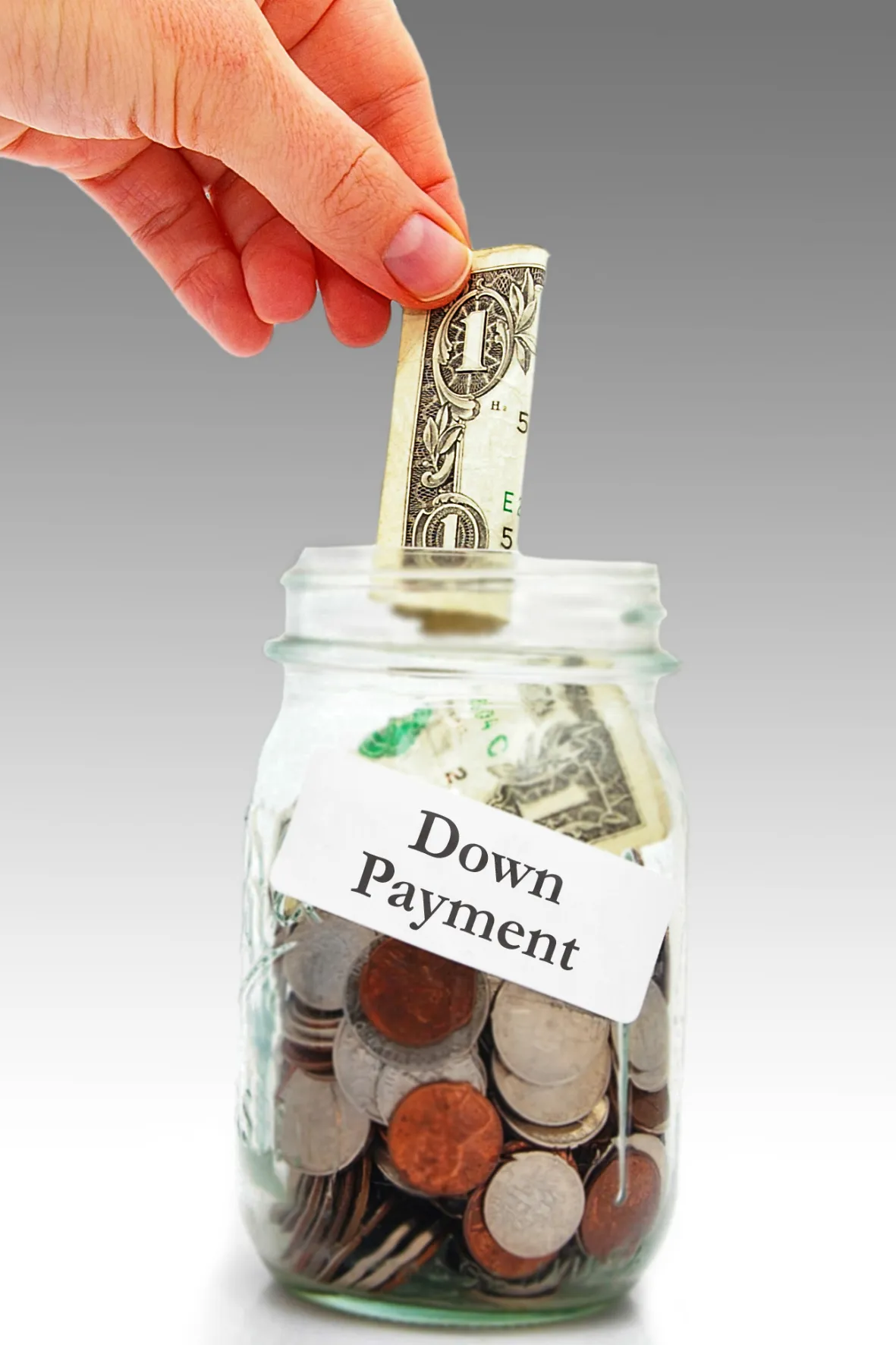
DOWN PAYMENT ASSISTANCE LOAN
Not having 3.5% or 5% saved shouldn't keep you renting. Down payment assistance (DPA) can cover some or all of your down payment, and sometimes part of your closing costs, so you can buy now instead of saving for years.
What's a Down Payment Assistance Loan?
A DPA loan is a second loan that covers your down payment, paired with your main mortgage at closing. Depending on the program, the assistance may be:
- Forgivable: forgiven after you make a set number of on-time payments
- Deferred: no payments, repaid only when you sell, refinance, or pay off the home
- Repayable: a small second loan with its own monthly payment
Instead of relying only on state housing agencies, I use DPA programs offered directly by the wholesale lenders I work with. These programs typically close faster, have fewer restrictions, and often have no first-time-buyer requirement. Because I'm a broker, I can compare several programs and pick the one with the best combination of rate, terms, and total cost for you.
How do I qualify?
Requirements vary by program, but most lender DPA programs look for:
- A credit score of about 600 or higher
- A primary residence (no second homes or rentals)
- A debt-to-income ratio that fits the program, usually up to about 50%
- Income within program limits, if the program has them (many lender programs don't)
You don't have to be a first-time buyer for most of these programs. A homebuyer education course may be required, and it can usually be done online in a few hours.
DPA isn't free money. A forgivable or deferred second loan usually comes with a slightly higher rate on your first mortgage. I'll show you the payment with and without assistance so you can decide if it's worth it.
Down Payment Assistance FAQ: Colorado Springs and Denver
Straight answers to the questions buyers ask most about using down payment assistance to buy a home along the Front Range.
What is a down payment assistance (DPA) loan?
A DPA loan is a second loan that covers your down payment, paired with your main mortgage at closing. Instead of saving for years, you can buy with little or none of your own money going toward the down payment. Depending on the program, the second loan is either forgiven over time or repaid on set terms.
What down payment assistance programs do you offer?
I use programs offered directly by the wholesale lenders I work with, and there are two main options:
- 3.5% assistance: covers the full minimum down payment on an FHA loan.
- 5% assistance: covers the full 3.5% down payment, with the extra 1.5% going toward your closing costs.
Otherwise the two work the same way. The only difference is the interest rate on your first mortgage: the 5% program carries a slightly higher rate than the 3.5% program.
Should I choose the 3.5% or the 5% program?
It comes down to cash versus payment. If you have enough saved for closing costs, or the seller is covering them, the 3.5% program gives you the lower rate and payment. If you want to bring as little cash as possible to closing, the 5% program puts more money toward your costs in exchange for a slightly higher rate. I'll show you both side by side so you can see the difference in payment and cash needed.
Why use lender DPA instead of a state housing program?
Lender programs are usually simpler and faster. They often don't require first-time-buyer status, many don't have income limits, and they close on a normal timeline without a separate state agency approval. Because I'm a broker, I can compare programs from several lenders and choose the one with the best overall terms for you.
Do I have to be a first-time homebuyer?
No. Most of the lender programs I use are open to repeat buyers, as long as the home will be your primary residence.
What credit score do I need for down payment assistance?
Most lender DPA programs start at a credit score of around 600 to 640, depending on the program. A higher score can get you better pricing. If your score is close, I can tell you exactly what would help you qualify.
Are there income limits?
Many lender programs have no income limit at all. Some cap income at a percentage of the area median income. I'll match you with a program you qualify for based on your household income.
What kind of mortgage is DPA paired with?
Is down payment assistance free money?
Not exactly. The assistance is a second loan, and it's paid for through a slightly higher interest rate on your first mortgage. Depending on the program, the second loan is forgiven after a set period or repaid on its own terms. For many buyers, getting into a home years sooner is well worth the trade-off, and I'll walk you through the exact terms before you commit.
Can DPA cover my closing costs too?
The 5% program puts 1.5% toward closing costs after covering your down payment. FHA also allows the seller to contribute up to 6% of the price toward your closing costs and prepaid items, so combining DPA with seller credits can get many buyers to closing with very little cash.
Can I refinance or sell later if I have DPA?
Yes. If you sell or refinance, the remaining balance on the second loan is usually paid off at closing, unless it has already been forgiven. I'll explain your program's payoff and forgiveness terms upfront, so there are no surprises later.
How do I get started?
Start with a pre-approval. I'll confirm which DPA programs you qualify for, show you the 3.5% and 5% options side by side, and give you a pre-approval letter you can shop with. Call me or start your application below.

Answers by Vic Malone, CAPT, USN (ret), Broker Owner of Peak Seven Mortgage.
VA loan specialist and continuing education instructor on the VA Home Loan program for real estate agents. NMLS #1084279.
Peak Seven Mortgage LLC, Company NMLS #1712479. Vic Malone, NMLS #1084279. 102 S. Tejon Street, Suite 1100, Colorado Springs, CO 80903. Equal Housing Opportunity. This information is general education, not a commitment to lend. Loan limits, fees and program rules reflect 2026 figures and can change; all loans are subject to credit, income and property approval. Last reviewed November 2026.
Our Relentless Commitment Is To Provide You With
The Best Possible Services
Down Payment Assistance Loans
and How They Work
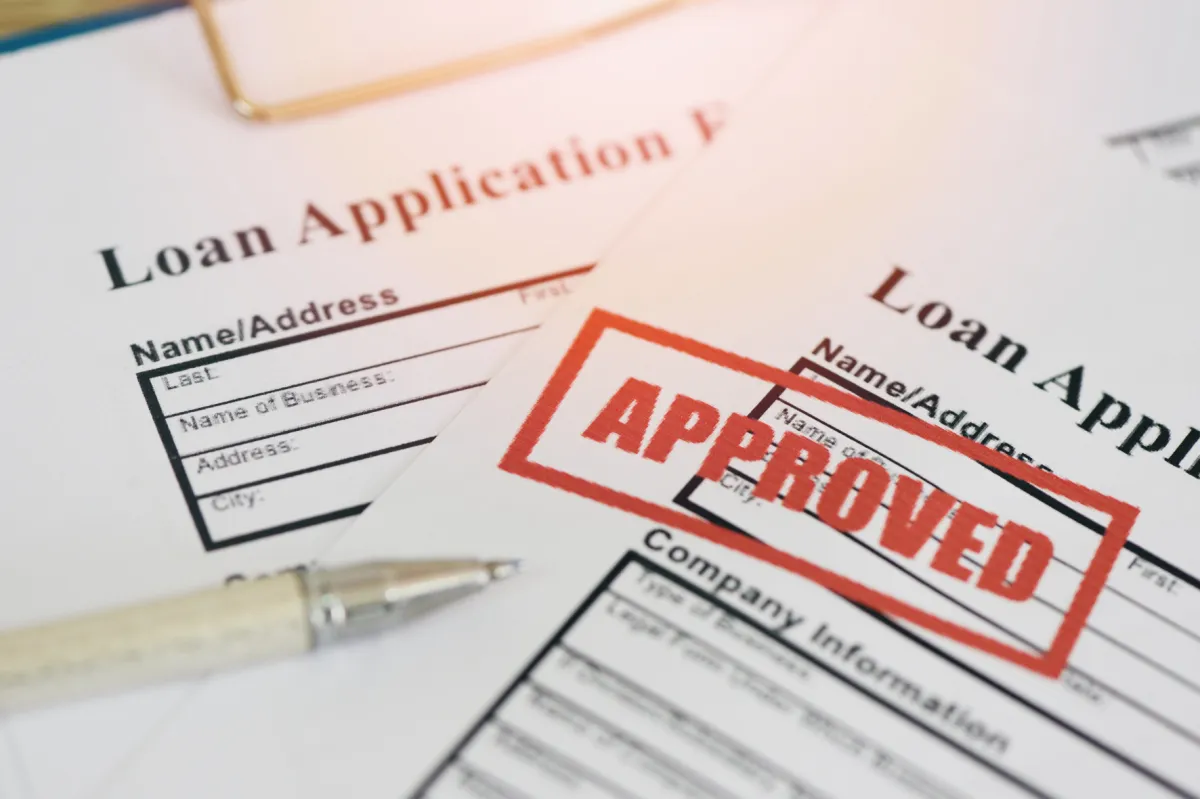
Down payment assistance loans are designed to help qualified buyers bridge the gap between what they’ve saved and what’s needed to purchase a home. These programs offer financial aid that can go toward your down payment, closing costs, or both—helping reduce the upfront burden of buying a home.
In Colorado, a variety of assistance programs are available through local housing agencies, nonprofit organizations, and state-backed initiatives. Some programs offer grants that don’t need to be repaid, while others provide low- or no-interest loans that are either forgiven over time or repaid when you sell or refinance the home.
DPA loans can often be used alongside FHA, VA, USDA, or conventional mortgage programs, and are especially helpful for first-time buyers or those with limited savings. These programs can make the difference between waiting to buy and moving into your home sooner.
How to Qualify for a
Down Payment Assistance Loan
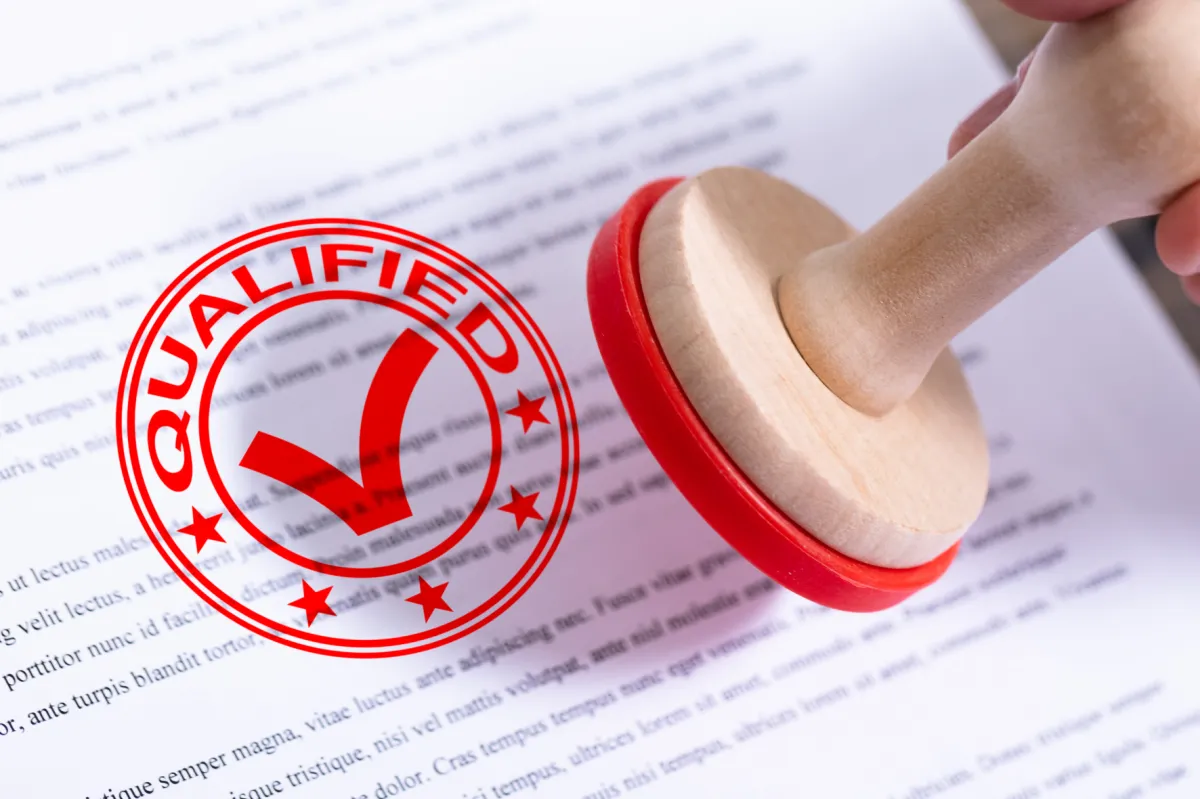
Each down payment assistance program has its own set of guidelines, but most share a few core requirements.
You’ll typically need to be purchasing a primary residence and meet income limits based on your household size and the location of the home. Many programs are geared toward first-time buyers, but that often just means you haven’t owned a home in the last three years.
You’ll also need to qualify for a standard mortgage, such as an FHA, conventional, or VA loan. Lenders will look at your credit score, income, debt-to-income ratio, and employment history as part of the approval process.
Some DPA programs require you to complete a homebuyer education course, which can be done online or in person and usually takes just a few hours.
Depending on the program, you may be able to receive several thousand dollars toward your down payment or closing costs, significantly reducing your upfront expenses.
Owner/Broker
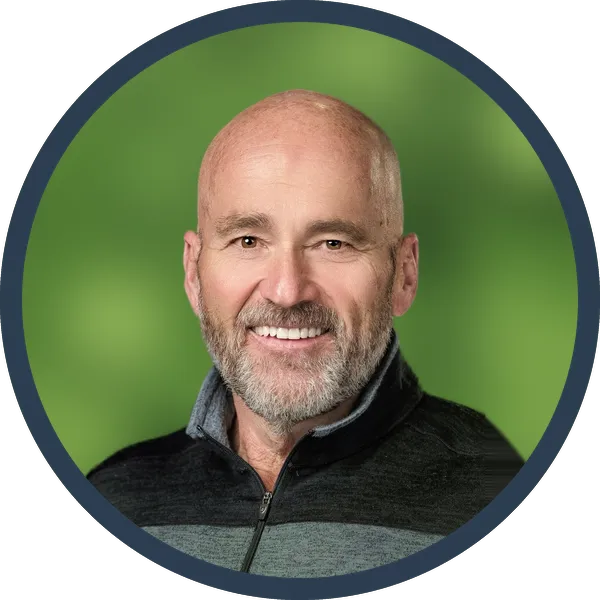
Vic Malone
CAPT, USN (ret)
NMLS #1084279
Testimonials
WHY People TRUST and LOVE Us
NMLS # 1084279
102 S Tejon Street, # 1100
Colorado Springs, Colorado, 80903
Call: 719-304-4900
Mon-Fri: 8am-7pm
Sat-Sun: 11am-4pm