Colorado Reverse Mortgage Loan
Is a Reverse Mortgage Right for You?
If you’re 62 or older, a reverse mortgage can eliminate your mortgage payment and give you flexible cash in retirement. Take the quick survey below to see what you may qualify for.

REVERSE LOAN
Unlike traditional loans, reverse mortgages don’t require monthly payments. Instead, the loan balance grows over time and is paid off when the home is sold or the last borrower no longer lives in the home.
This unique structure allows seniors to tap into their home equity without having to sell or downsize.
Reverse mortgages are non-recourse loans, meaning you or your heirs will never owe more than the home is worth—even if the loan balance exceeds the property’s value at the time of sale.
They can be a powerful tool for retirees looking to stay financially independent, supplement their income, or create a financial cushion for unexpected expenses.
Whether you're planning for a longer retirement or want more control over your financial future, a reverse mortgage offers flexible, accessible funding without the pressure of monthly payments.
Our Relentless Commitment Is To Provide You With
The Best Possible Services
Reverse Mortgage Loans
and How They Work
A reverse mortgage is a specialized loan that allows homeowners 62 and older to convert a portion of their home equity into cash, which is generally not considered taxable income. Instead of making monthly mortgage payments, the loan is repaid when the homeowner sells the property, moves out permanently, or passes away.
This loan is most commonly used to supplement retirement income, cover medical expenses, pay off existing mortgages, or simply provide financial flexibility later in life all while remaining in the home you love.
In Colorado, where many retirees are looking for ways to make their savings stretch further, a reverse mortgage offers an alternative to downsizing or taking on additional debt.
The most common type is a Home Equity Conversion Mortgage (HECM) , which is insured by the Federal Housing Administration (FHA). These loans offer flexible payout options such as a lump sum, monthly payments, a line of credit, or a combination of all three depending on your goals and needs.
You retain full ownership of your home, and you’re still responsible for property taxes, insurance, and basic home maintenance.

How to Qualify for a
Reverse Mortgage Loan
To qualify for a reverse mortgage, at least one borrower must be 62 years of age or older and live in the home as their primary residence.
You must own the home outright or have a substantial amount of equity built up. If there’s an existing mortgage, part of the reverse loan proceeds will be used to pay it off.
Borrowers must also meet basic financial requirements, including the ability to stay current on property taxes, homeowner’s insurance, and home maintenance.
A HUD-approved counseling session is required as part of the qualification process to ensure that you fully understand the terms and responsibilities of the loan.
The home must be a single-family home, a two- to four-unit property where the borrower occupies one unit, or an FHA-approved condo or manufactured home.
Reverse Mortgage Loans Compared to Other Mortgages
Reverse mortgages offer financial relief and flexibility to older homeowners who want to tap into their home equity without taking on monthly payments.
The funds received through a reverse mortgage are generally not considered taxable income and can be used for any purpose, from medical bills and home improvements to supplementing income or simply enjoying retirement.
There is no minimum credit score requirement, and the income verification process is often more flexible than with traditional mortgages.
Since the loan is repaid when the home is sold or no longer the borrower’s primary residence, homeowners can enjoy the benefits of additional income while continuing to live in the home they love.
For those looking to retire in place while improving their financial stability, a reverse mortgage can be a smart long-term option.
Reverse Mortgage FAQ: Colorado Springs and the Front Range
Straight answers to the questions homeowners 62 and older, and their families, ask most about reverse mortgages. Figures are current for 2026.
What is a reverse mortgage, and how does it work?
A reverse mortgage lets homeowners 62 and older turn part of their home equity into cash without selling the home or making a monthly mortgage payment. Instead of paying the lender each month, the loan balance grows over time and is repaid when the last borrower sells, moves out permanently, or passes away. Most reverse mortgages are Home Equity Conversion Mortgages (HECMs), which are insured by the FHA.
Who qualifies for a reverse mortgage?
The youngest borrower must be at least 62 and live in the home as a primary residence. You need substantial equity, and any existing mortgage has to be paid off with the reverse mortgage proceeds or your own funds. The lender also reviews your income, credit and payment history to make sure you can keep up with property taxes, insurance and upkeep. Every borrower must complete a session with a HUD-approved counselor before applying.
How much money can I get?
It depends on three things: the age of the youngest borrower, current interest rates, and your home's value up to the 2026 HECM limit of $1,249,125. The older you are and the more equity you have, the more you can access. Any existing mortgage is paid off first. I'll run a free estimate on your home so you can see real numbers.
How can I receive the money?
You choose: a lump sum, fixed monthly payments for life or a set term, a line of credit, or a combination. The unused portion of a HECM line of credit grows over time, which is why many retirees set one up early as a safety net and draw on it only when needed.
Do I still own my home?
Yes. Your name stays on the title and the home is yours. You remain responsible for property taxes, homeowner's insurance, HOA dues and basic maintenance, just like any homeowner.
Can I lose my home with a reverse mortgage?
Only if you don't meet the loan terms. The loan can become due if you fall behind on property taxes or insurance, let the home fall into serious disrepair, or move out for more than 12 consecutive months, including for health reasons. If you keep up with those obligations, you can stay in your home for the rest of your life.
What happens when I pass away? Will my heirs owe money?
Your heirs can keep the home by paying off the loan, or sell it and keep any remaining equity. If they want to keep it and the loan balance is more than the home is worth, they can pay 95% of the appraised value instead of the full balance.
HECMs are non-recourse loans, so neither you nor your heirs will ever owe more than the home is worth. FHA insurance covers any shortfall.
What if my spouse is younger than 62?
A younger spouse can usually be listed as an eligible non-borrowing spouse. If you pass away first, they can typically stay in the home as long as it remains their primary residence and they keep up with taxes, insurance and maintenance. They can't draw new funds, and the amount you can borrow is based on their younger age.
What does a reverse mortgage cost?
A HECM has an upfront FHA mortgage insurance premium of 2% of the home's value (up to the HECM limit), plus an annual premium of 0.5% of the loan balance. There's also an origination fee that HUD caps at $6,000, and normal closing costs like title and appraisal. Most of these costs can be paid from the loan proceeds rather than out of pocket.
Will a reverse mortgage affect my Social Security, Medicare or taxes?
Social Security and Medicare are not affected. Reverse mortgage proceeds are generally not considered taxable income, but check with a tax advisor for your situation. Needs-based benefits like Medicaid or SSI can be affected if you keep large balances in the bank, so it's worth planning how and when you draw funds.
Can I use a reverse mortgage to buy a home?
Yes. A HECM for Purchase lets you buy a new primary residence, such as downsizing or moving closer to family, by making a larger down payment and using the reverse mortgage for the rest, with no monthly mortgage payment afterward.
Is a reverse mortgage right for me?
It can be a strong fit if you plan to stay in your home for years, want to eliminate a mortgage payment, or need flexible funds in retirement. It's usually not the best fit if you plan to move soon or want to leave the home free and clear to your heirs. I'll walk through the pros and cons with you and your family, with no pressure.

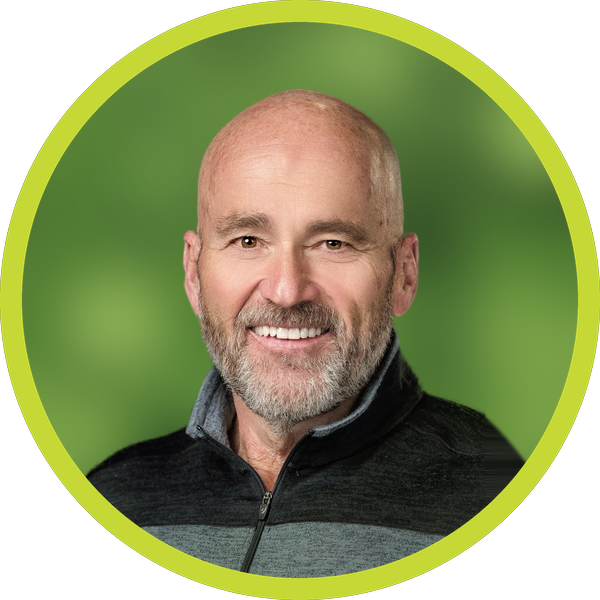
Answers by Vic Malone, CAPT, USN (ret), Broker Owner of Peak Seven Mortgage.
VA loan specialist and continuing education instructor on the VA Home Loan program for real estate agents. NMLS #1084279.
Peak Seven Mortgage LLC, Company NMLS #1712479. Vic Malone, NMLS #1084279. 102 S. Tejon Street, Suite 1100, Colorado Springs, CO 80903. Equal Housing Opportunity. This information is general education, not a commitment to lend. Loan limits, fees and program rules reflect 2026 figures and can change; all loans are subject to credit, income and property approval. Last reviewed November 2026.
Owner/Broker
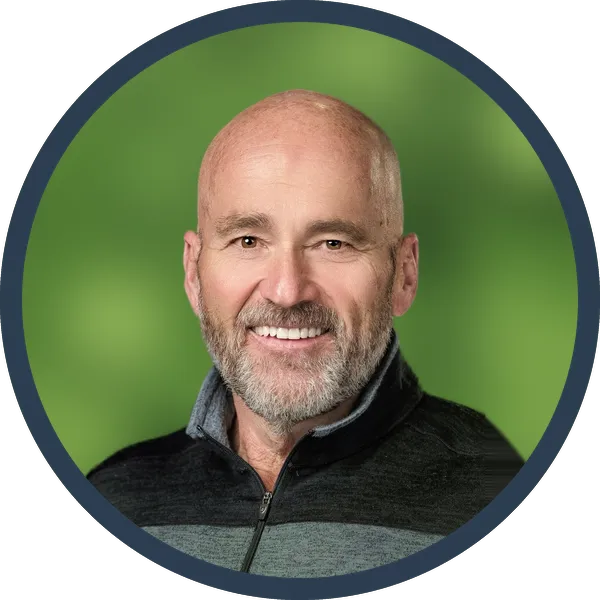
Vic Malone
CAPT, USN (ret)
NMLS #1084279
Testimonials
WHY People TRUST and LOVE Us
NMLS # 1084279
102 S Tejon Street, # 1100
Colorado Springs, Colorado, 80903
Call: 719-304-4900
Mon-Fri: 8am-7pm
Sat-Sun: 11am-4pm